Cameras, Cat5, and Home Theater: Getting Low Voltage Done in One Pass
Low voltage wiring is easiest to get right while the walls are still open, not after they're closed up and painted.
September 23, 2026 · 3 min read
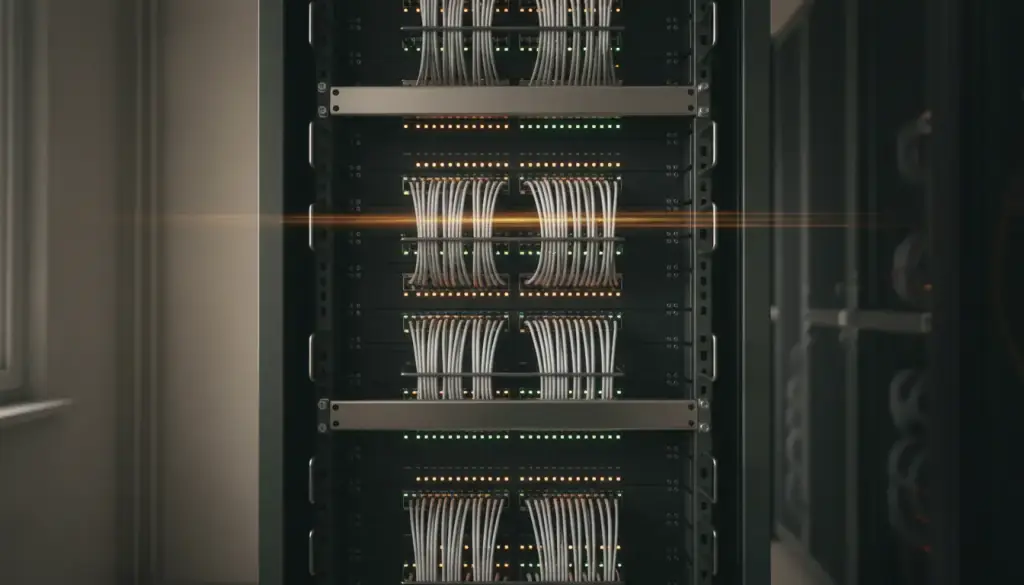
Low voltage work covers everything in the house that isn't running standard household power: phone lines, cable, Cat5 network wiring, speakers, TVs and home theater setups, and camera systems for a house or a business. None of it carries the same current as a light switch or an outlet, but getting it run correctly still takes planning, especially if it's going in during construction or a renovation.
The mistake we see most is treating it as an afterthought, something to sort out after the walls are already closed up.
It's an easy thing to put off, since none of it is strictly required the way a working outlet or a working panel is. A house functions fine without a wired camera system or a home theater. But that's exactly why it gets skipped during the planning stage and then regretted once the drywall is up and every wire has to be fished in after the fact.
Why timing matters
If the walls are already closed, every run of cable becomes a bigger job than it needed to be. Snaking a wire through a finished wall, fishing it around framing and insulation, takes longer and sometimes means opening drywall that then has to be patched and repainted. Doing it while the walls are open, during new construction or a renovation, means the wire goes exactly where it's needed with no guesswork and no patching afterward.
What actually gets run
- Phone and cable lines to the rooms that need them
- Cat5 network wiring for a home office, a media setup, or a business
- Speaker wiring for a whole house audio system or a home theater
- TV wiring, run so there's no cable running across a wall to a mounted television
- Camera systems for a home or a business, wired to a fixed location rather than relying on a battery and a wifi signal
A wired camera or network connection is generally more reliable than a wireless one, since it isn't competing with every other device in the house for a signal, and it isn't sitting on a battery that needs charging.
There's also a layout question worth thinking through before the wire goes in, not after: where the router and any network equipment will actually live, where speakers need to end up in a room versus where furniture will eventually sit, and which wall a television is really going on rather than where it happened to go the first year. A short conversation about all of that up front saves cable running to the wrong spot.
One trip instead of several
Because we're already doing the rest of the electrical work on a new build or a larger renovation, low voltage gets planned alongside it instead of getting called in separately after the fact. That's usually less disruptive for the homeowner, and it means the person running the network cable already knows where the panel is and how the rest of the house is wired.
Homes and businesses
This isn't only a homeowner service. Small businesses call us for the same reason: a camera system that needs to cover an entrance or a stockroom, or network wiring for a handful of workstations, run properly the first time instead of taped along a baseboard.
It's also work we can add onto an existing house without a full renovation, when there's attic or basement access to run cable through rather than inside a finished wall. It's not always as clean a job as doing it during construction, but a camera system or a network drop added after the fact is still worth doing right rather than patched together with whatever's fastest.
The equipment side matters as much as the wiring itself. A patch panel and network switch mounted somewhere sensible, cable run and dressed rather than left in a loose bundle, and connections labeled so anyone servicing the system later can actually tell what goes where. That's the difference between a low voltage install that still makes sense five years on and one that turns into a tangle nobody wants to open up.
Chestnut Ridge Electric handles phone, cable, Cat5, speaker, TV, and camera wiring for homes and businesses across Eastern Pennsylvania and New Jersey. If you're planning a build or renovation and want the low voltage work done in the same pass as everything else, call the office at 610-982-5615.
Chestnut Ridge Electric, 610-982-5615
Call 610-982-5615More articles
What a Standby Generator Actually Keeps Running
When the power goes out on a country property, the real question is what you want a generator to keep running, not just whether you want one.
Is Your Electrical Service Big Enough for What You Actually Run
A panel that was fine for decades can fall short the moment a house adds central air, a hot tub, or a workshop full of tools.